
The Real Threat Within.
JD Vance, White Nationalism, and America’s Dark Reflection.

In his recent address at the Munich Security Conference, U.S. Vice President JD Vance asserted that Europe's gravest threat emanates from within, specifically targeting issues like censorship and the suppression of free speech.
He criticized European leaders for allegedly criminalizing dissent under the pretext of combating "misinformation" and "disinformation," suggesting that such actions erode fundamental democratic values.
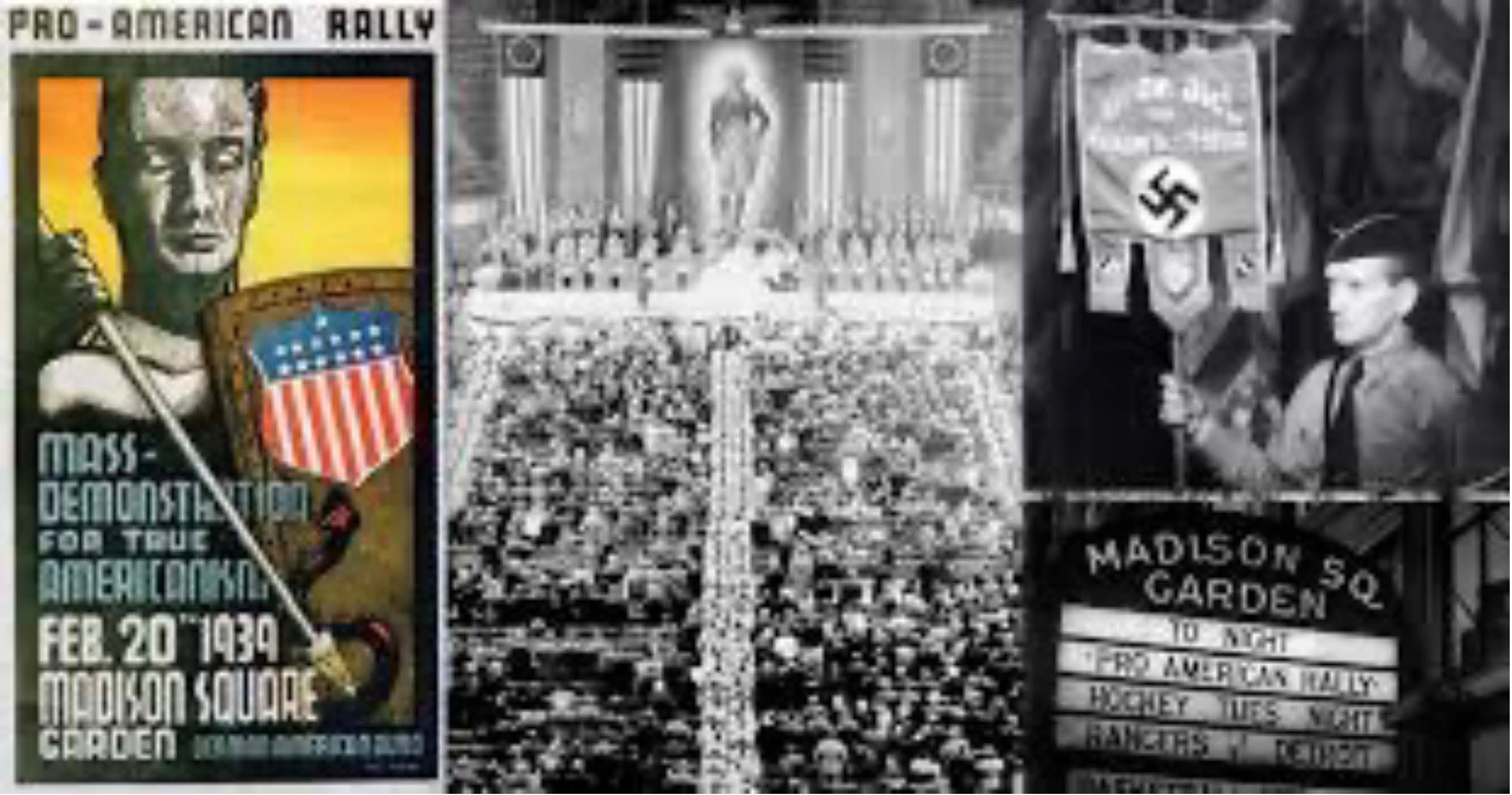
The Real Threat Within: Resurgence of Exclusionary Nationalism
While Vance emphasizes perceived threats to free speech, a more pressing internal danger is the revival of white ethno-Christian nationalism. This movement, characterized by the belief in a white, Christian identity as central to national identity, often excludes and marginalizes other races and religions.
America's Historical Influence on Nazi Ideology
It's imperative to acknowledge the uncomfortable truth that elements of Nazi Germany's racial policies were inspired by American practices.
The early 20th-century American eugenics movement, which advocated for the improvement of human populations through controlled breeding, significantly influenced Nazi ideology. Prominent American eugenicists established connections with German counterparts, providing both inspiration and practical guidance. The Nazis' 1933 Law for the Prevention of Hereditarily Diseased Offspring was notably influenced by American models, particularly those from California, which had implemented extensive sterilization programs.
Furthermore, American philanthropic organizations, such as the Rockefeller Foundation, funded eugenic research in Germany, including projects led by individuals like Josef Mengele before his notorious activities at Auschwitz. This transatlantic exchange of eugenic ideas and practices underscores a dark chapter in American history that contributed to some of the most heinous crimes of the 20th century.
Contemporary Reflections and the Danger of Historical Amnesia
Today, the resurgence of exclusionary nationalist rhetoric in the U.S. bears a disturbing resemblance to past ideologies. Phrases emphasizing the preservation of "American-European values" and critiques of immigration policies often serve as veiled endorsements of ethno-nationalism. This is particularly concerning when such rhetoric emanates from high-ranking officials, as it can legitimize and fuel extremist movements both domestically and internationally.
The invocation of "Great Replacement" conspiracy theories, which suggest that elites are deliberately replacing native populations with immigrants, further exacerbates social divisions and fosters an environment ripe for radicalization. Such theories have been linked to various acts of violence and serve to undermine the pluralistic foundations of modern democracies.
Counterarguments and the Complexity of Free Speech
In his speech, Vice President Vance contended that European governments are suppressing free speech under the guise of combating misinformation, thereby retreating from fundamental democratic values. He cited instances such as the arrest of individuals for expressing dissenting opinions and the cancellation of elections due to alleged foreign interference as evidence of this trend.
While the protection of free speech is indeed a cornerstone of democratic societies, it is essential to recognize the balance that must be maintained between safeguarding individual liberties and ensuring public safety. European nations, grappling with challenges such as hate speech, disinformation campaigns, and the rise of extremist movements, have implemented measures aimed at preserving social cohesion and preventing violence.
Critics argue that certain policies may overreach, potentially stifling legitimate discourse and dissent. However, it is crucial to differentiate between the suppression of free expression and the enforcement of laws designed to prevent incitement to violence and the spread of harmful falsehoods. The debate over where to draw this line is complex and necessitates a nuanced understanding of the unique historical, cultural, and social contexts within which these policies are enacted.
Confronting the True Internal Threat
While Vice President Vance warns of internal threats to European democracies, it is crucial to turn the lens inward and address the resurgence of exclusionary nationalism within the United States.
The real "threat from within" lies not in the suppression of dissenting voices under the guise of combating misinformation but in the revival and normalization of ethno-nationalist ideologies that have historically led to division and atrocity.
Recognizing and confronting this threat requires a candid acknowledgment of America's past and a commitment to fostering an inclusive society that rejects the pernicious allure of racial and religious exclusivity.
Only by doing so can we prevent history from repeating its darkest chapters.

Where does he mention white nationalism in the speech?