
Memorial Day 2026 ...
... At the Edge of the Republic.

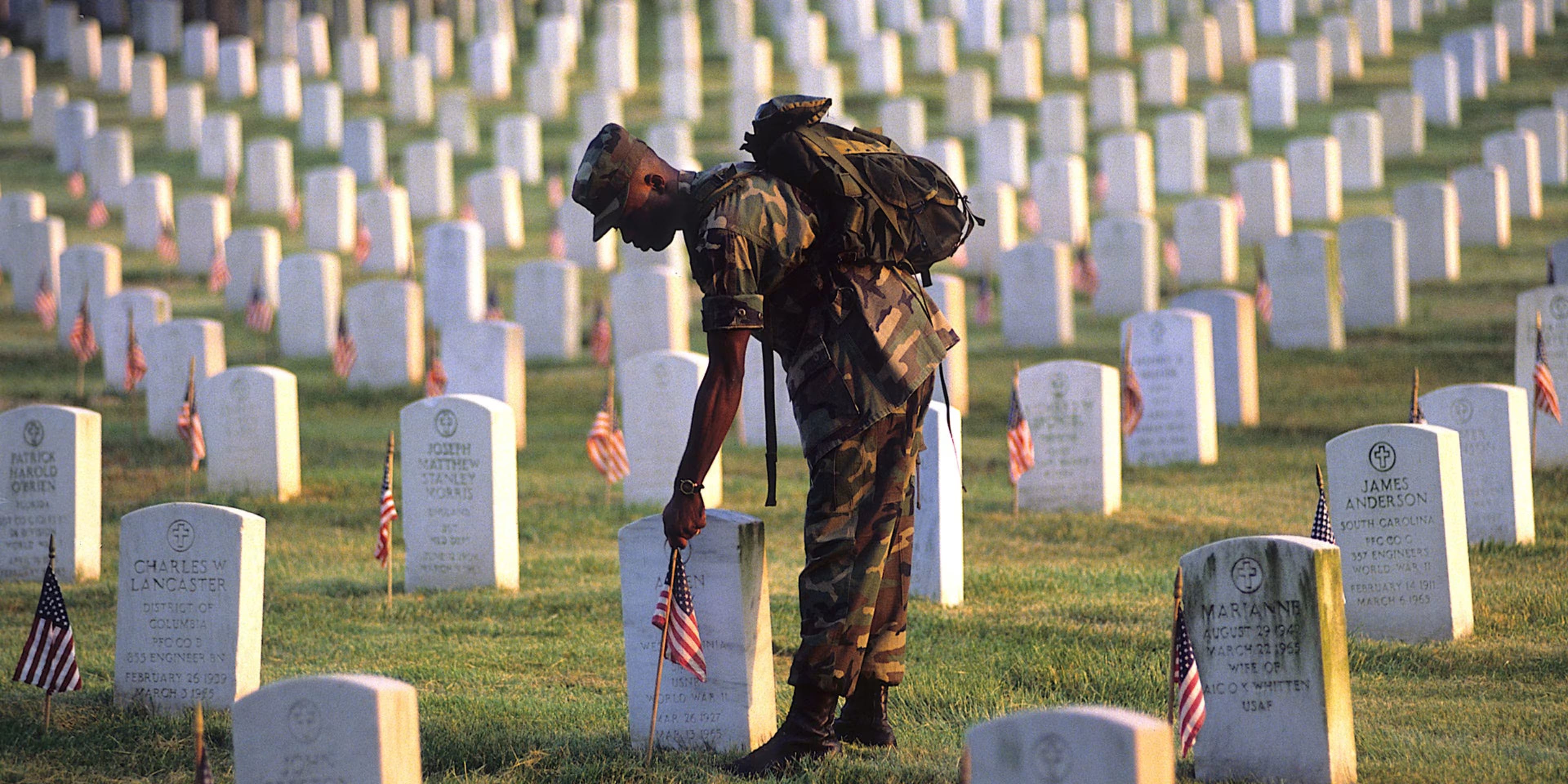
Two hundred and fifty years ago, a generation of Americans signed its names to an impossible proposition…
Not merely that a distant empire could be defeated.
Not merely that a new nation could be born.
But that a people—fractious, imperfect, regional, fearful, ambitious, proud—could nonetheless bind themselves to a shared civic purpose larger than tribe, faction, market, or self.
The Declaration of Independence was not simply a declaration against monarchy. It was a declaration of mutual obligation.
And every Memorial Day since, whether we fully recognize it or not, we gather in the long shadow of that obligation.
We remember the dead.
But if we are honest, Memorial Day is also about the living.
It is about whether the republic they died for still possesses the moral seriousness required to sustain itself.
This year, in 2026, that question feels heavier than usual.
Because this Memorial Day arrives not only amid the 250th anniversary of America’s founding, but during a period of profound national and global threshold crossing—a moment I have elsewhere described as an era of compound security: a condition where threats no longer arrive sequentially or neatly compartmentalized, but converge simultaneously across geopolitical, economic, technological, cultural, environmental, and civic domains.
War and peace now coexist in the same space.
Foreign crises become domestic crises overnight.
Information warfare enters our homes before armies cross borders.
Economic insecurity fuels political extremism.
Climate insecurity accelerates migration, instability, and conflict.
Technology democratizes both opportunity and destruction.
The old boundaries separating “front lines” from “home fronts” have eroded.
And perhaps most dangerously, the line separating civic disagreement from civic fracture has grown dangerously thin.
We are living through a period where many Americans sense—correctly—that something foundational is under stress. Yet too often we lack the vocabulary, historical grounding, or civic patience necessary to confront it honestly.
Memorial Day demands that honesty.
Because the Americans we honor today did not sacrifice themselves for mythology.
They sacrificed for an unfinished experiment.
An experiment repeatedly marked by contradiction.
The same republic that declared universal liberty tolerated slavery.
The same nation that defeated fascism struggled to extend civil rights fully at home.
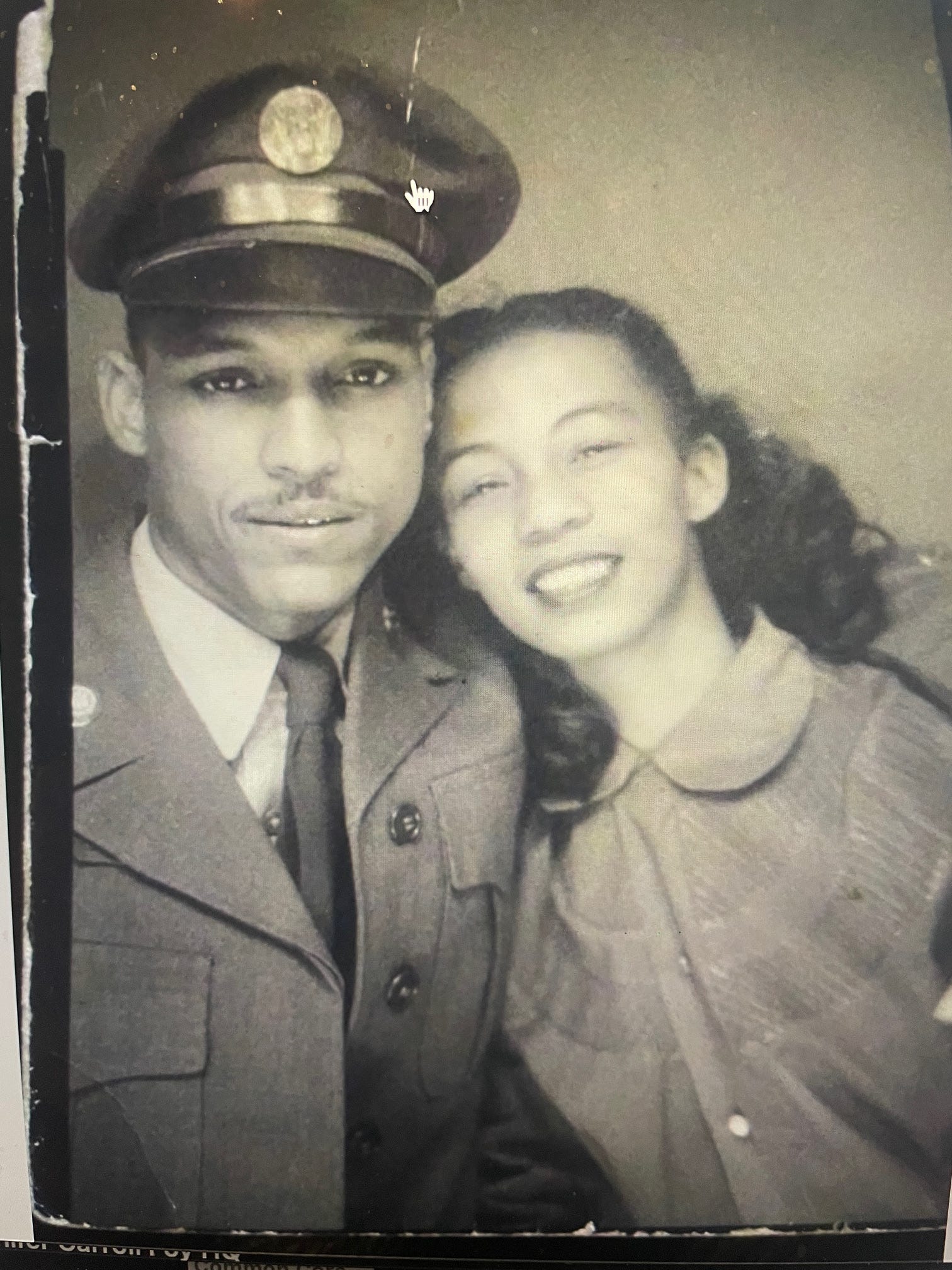
The same military that liberated Europe returned Black veterans to segregation.
The same democratic order capable of extraordinary generosity has also shown periods of fear, arrogance, overreach, and strategic failure.
To acknowledge these truths does not weaken patriotism.
It strengthens it.
A mature republic does not fear truth-telling. It requires it.
Indeed, one of the greatest dangers facing democratic societies today is the temptation to replace citizenship with performance—to confuse outrage for courage, symbolism for service, identity for duty, and rhetoric for sacrifice.
The republic cannot survive indefinitely as spectacle.
A free society requires stewards.
That is what previous generations understood—especially those who endured depression, world wars, civil rights struggles, Cold War nuclear anxieties, post-9/11 campaigns, and the long burdens of imperfect peacekeeping.
They understood something increasingly difficult for modern societies to sustain:
Freedom is not self-executing.
Nor is order.
Nor is democratic legitimacy.
All require maintenance.
And maintenance requires citizens willing to subordinate immediate self-interest to longer-term common purpose.
This is not nostalgia for some imagined golden age. America has always been noisy, divided, contradictory, and contentious.
But throughout its best moments, the nation retained enough civic ballast to prevent disagreement from becoming dissolution.
That ballast was built through institutions, families, communities, service, faith traditions, civic education, and shared sacrifice.
Today many of those connective tissues are weakening simultaneously.
And our adversaries—state and non-state alike—understand this well.
Modern geopolitical competition increasingly targets not merely territory, but social cohesion itself. The objective is not always military victory in the traditional sense, but the erosion of confidence, trust, legitimacy, resilience, and institutional continuity.
In other words: to convince Americans that America is no longer worth the effort.
That is why Memorial Day matters now far beyond ceremony.
Because remembrance is itself an act of strategic resilience.
To remember rightly is to resist cynicism.
And cynicism is becoming one of the great strategic vulnerabilities of democratic societies.
Not healthy skepticism.
Not accountability.
Not dissent.
Those are essential to republican life.
I mean the deeper corrosion: the belief that nothing noble exists, no institution deserves trust, no sacrifice carries meaning, and no future warrants stewardship.
History suggests nations rarely survive long once that sentiment becomes dominant.
The challenge before America at 250 years is therefore not simply external competition with China, Russia, Iran, extremist movements, or emerging technological disruptions—though those dangers are real and growing.
The deeper challenge is whether Americans can recover the civic seriousness necessary to govern themselves under conditions of mounting complexity and compound insecurity.
Can we disagree without dehumanizing?
Can we compete politically without treating fellow citizens as enemies?
Can we rebuild institutions while still holding them accountable?
Can we prepare younger generations not merely for economic competition, but for democratic stewardship?
Can we preserve liberty while restoring responsibility?
These are not abstract questions.
They are strategic questions.
Civilizations do not collapse only from invasion.
Many decay internally long before external defeat arrives.
Yet history also reminds us that renewal remains possible.
America’s greatest periods of reinvention often emerged precisely from crisis:
the Constitutional Convention after near national failure,
the preservation of the Union after civil war,
the rise from depression into global leadership after World War II,
the long imperfect expansion of civil rights.
Renewal has always depended on Americans willing to think beyond themselves.
That is why Memorial Day should not merely produce grief.
It should produce obligation.
The dead ask something of us …
Not performative patriotism.
Not partisan conformity.
Not sentimental nationalism untethered from truth.
They ask whether we will prove worthy custodians of the republic they carried forward at such extraordinary cost.
That obligation belongs not only to soldiers.
It belongs to teachers.
Parents.
Public servants.
Entrepreneurs.
Workers.
Clergy.
Students.
Neighbors.
Citizenship itself is a form of service.
Especially in an age when fragmentation is profitable, outrage is monetized, and strategic competitors increasingly exploit our divisions faster than we can heal them.
At its best, America has never been held together primarily by ethnicity, bloodline, or geography.
It has been held together by shared belief in a constitutional idea—and by repeated generations willing to sacrifice in defense of that idea despite the nation’s imperfections.
That remains extraordinary in human history.
And still worth preserving.
So this Memorial Day, as America marks 250 years since declaring independence, perhaps the most fitting tribute is not simply remembrance of sacrifice abroad.
It is recommitment at home.
Recommitment to truth over comforting fiction.
To stewardship over spectacle.
To civic courage over performative outrage.
To democratic resilience over fatalism.
To service over self.
The republic remains unfinished.
It always will be.
But unfinished does not mean failed.
Only entrusted.
And now, as in every generation before us, the question is whether we remain equal to that trust.